How BC Contractors Can Keep Waste Disposal on Track Across Every Construction Phase
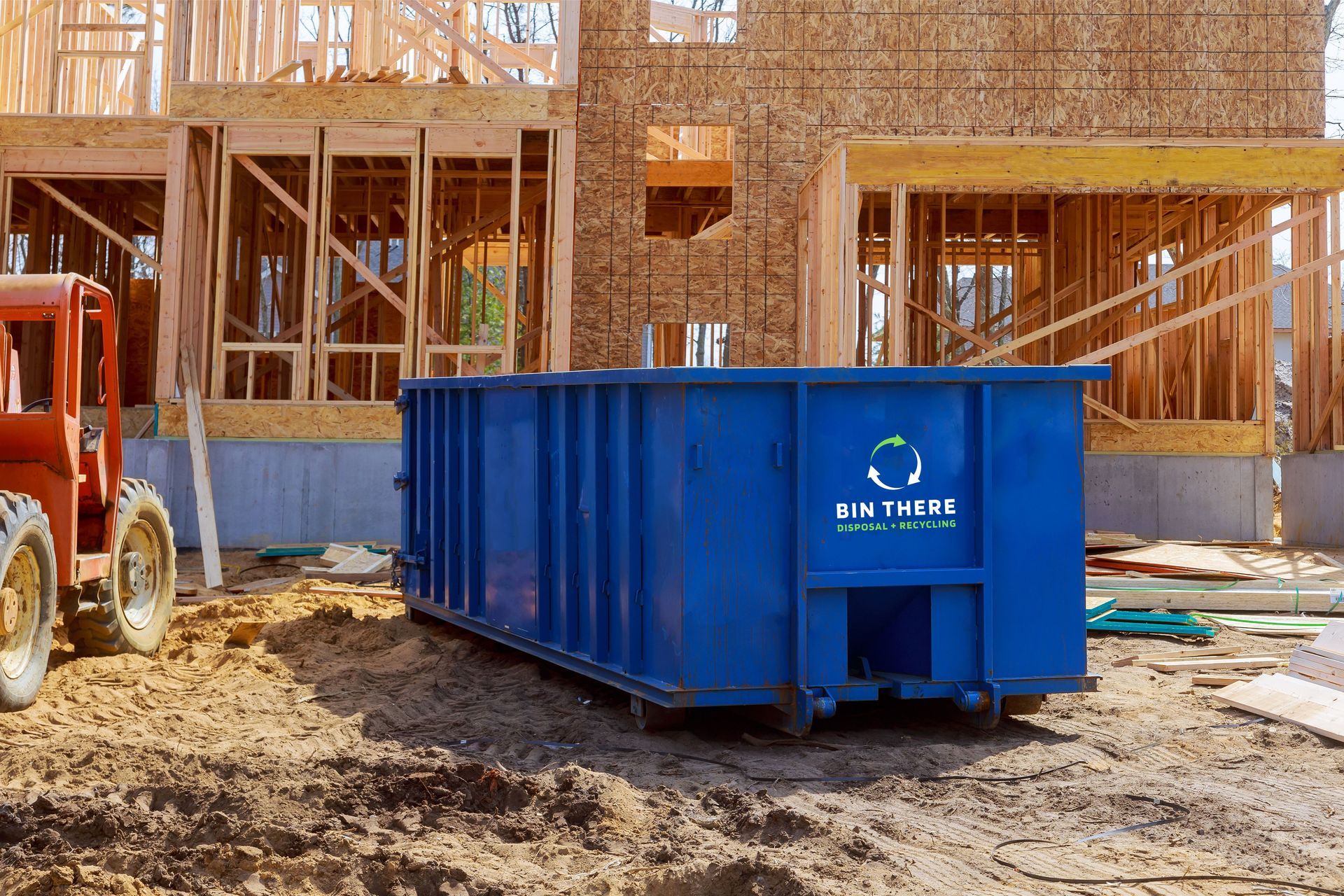
Multi-phase construction projects run better when waste disposal is built into the project plan rather than managed reactively as each phase unfolds. Bin There Disposal Services Ltd. works with general contractors and project managers across Vancouver and the surrounding communities to build disposal setups that stay ahead of the build schedule and keep job sites clean from groundbreak through to final cleanup.
A phased approach to bin rotation and disposal planning is what keeps the waste management side of a complex project from becoming a source of delays or unexpected costs.
In This Article:
- Building Your Disposal Plan Before Phase One Begins
- The Habits That Keep a Multi-Phase Disposal Setup Running Well
- How Do Contractors Manage Waste Disposal Across Multiple Construction Phases?
- Signs Your Disposal Setup Needs a Refresh Mid-Project
- How to Keep the Waste Management Side Ahead of Every Phase
Building Your Disposal Plan Before Phase One Begins
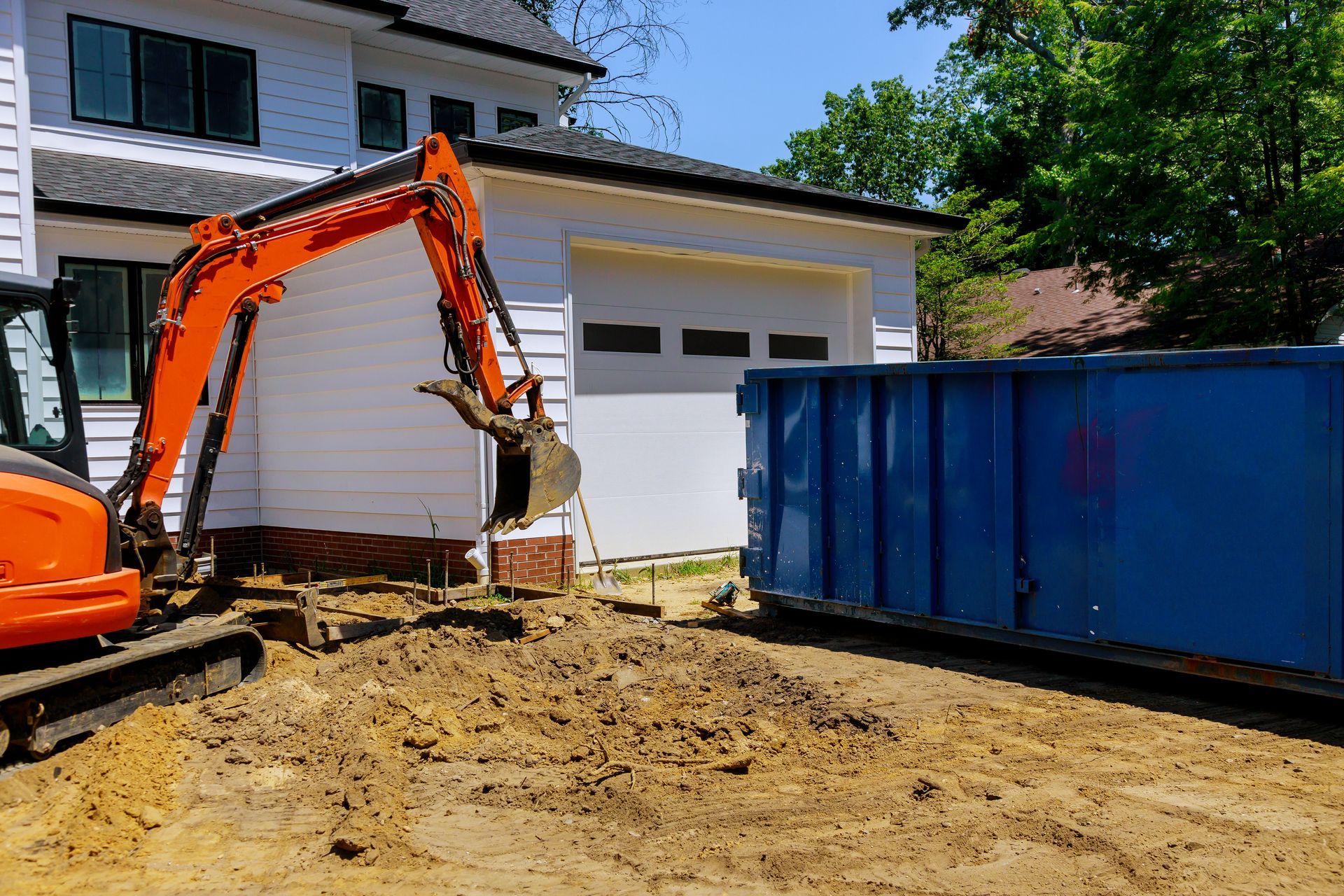
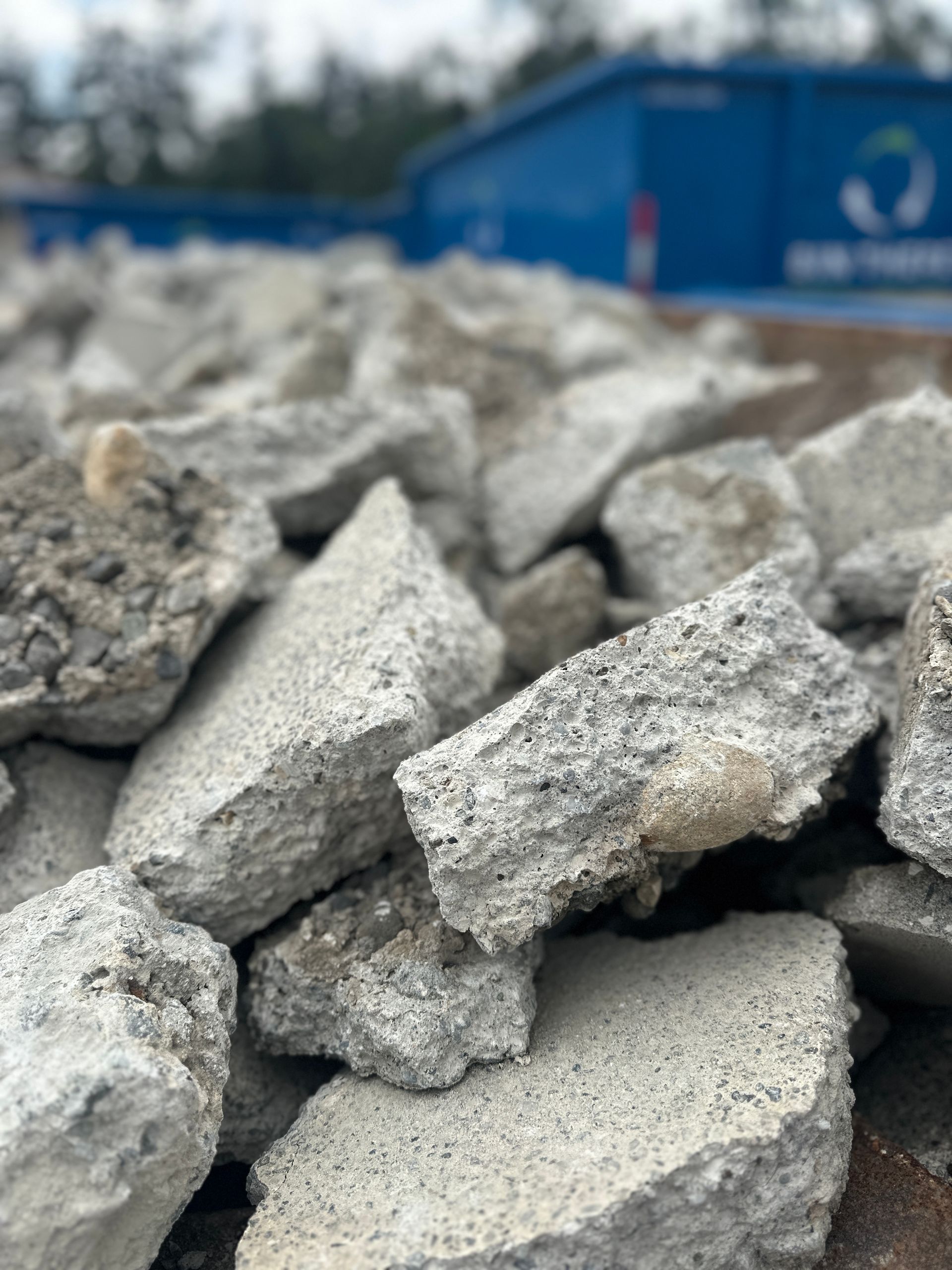
A multi-phase disposal plan starts with a material output estimate for each stage of the project. Excavation and site prep generate heavy soil, rock, and aggregate. Framing and structural work produce wood, metal, and packaging waste. Finishing phases bring drywall, insulation, and mixed light debris. Each stage requires a different bin type, a different weight consideration, and a different pickup frequency.
Mapping these variables out before phase one begins is what prevents the scramble that comes from reacting to waste volume mid-build rather than planning for it in advance.
• Phase mapping: Identify the primary waste types and approximate volumes for each project phase before booking begins.
• Bin rotation schedule: Plan bin swaps and pickup requests around phase transitions, not around when the bin happens to fill up.
• Provider communication: Share the full project timeline with your disposal provider upfront so potential capacity issues can be flagged before they affect the schedule.
The Habits That Keep a Multi-Phase Disposal Setup Running Well
Small disposal habits in early phases prevent larger problems in later ones. These are the practices that keep a well-planned setup running cleanly across the full project timeline.
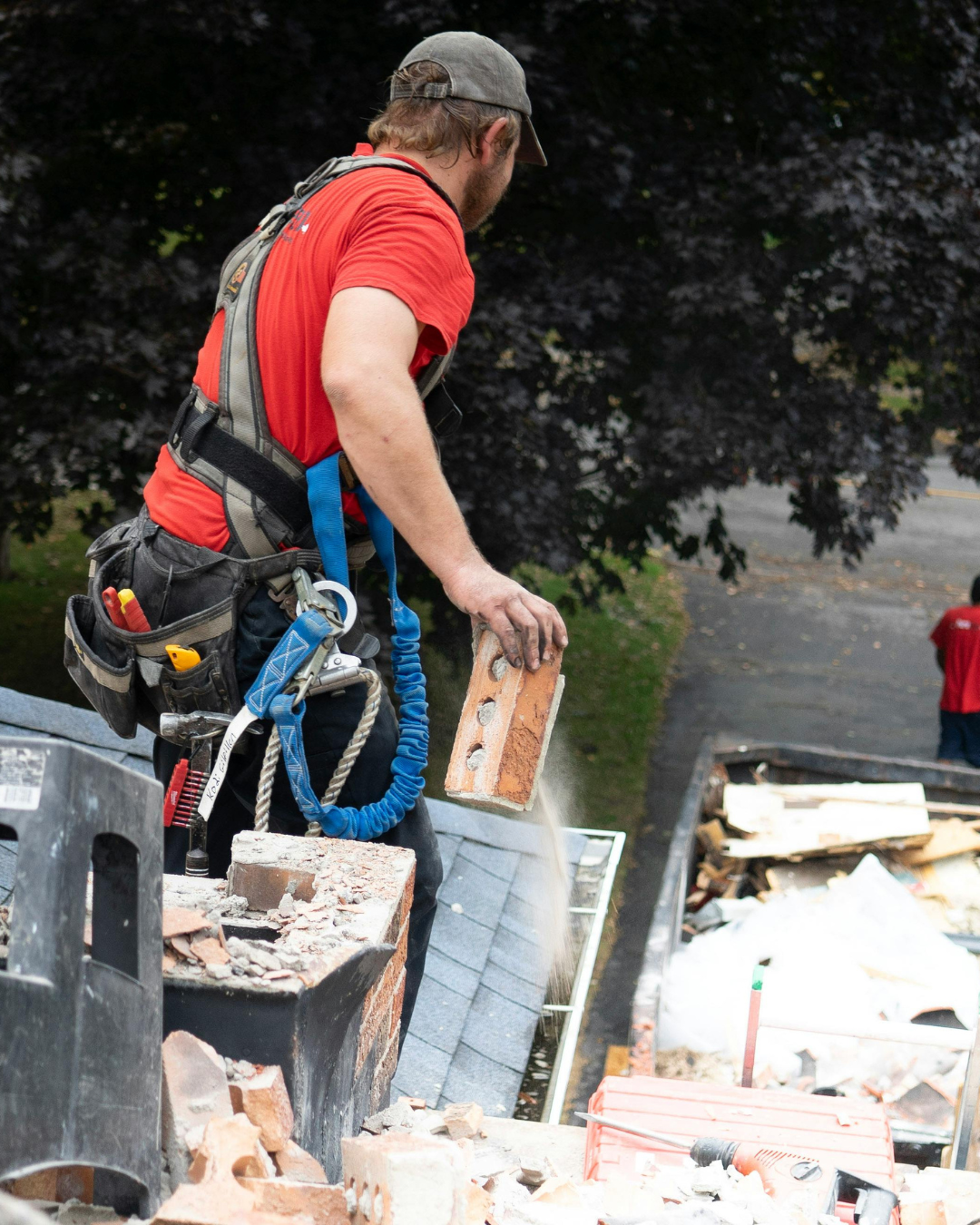
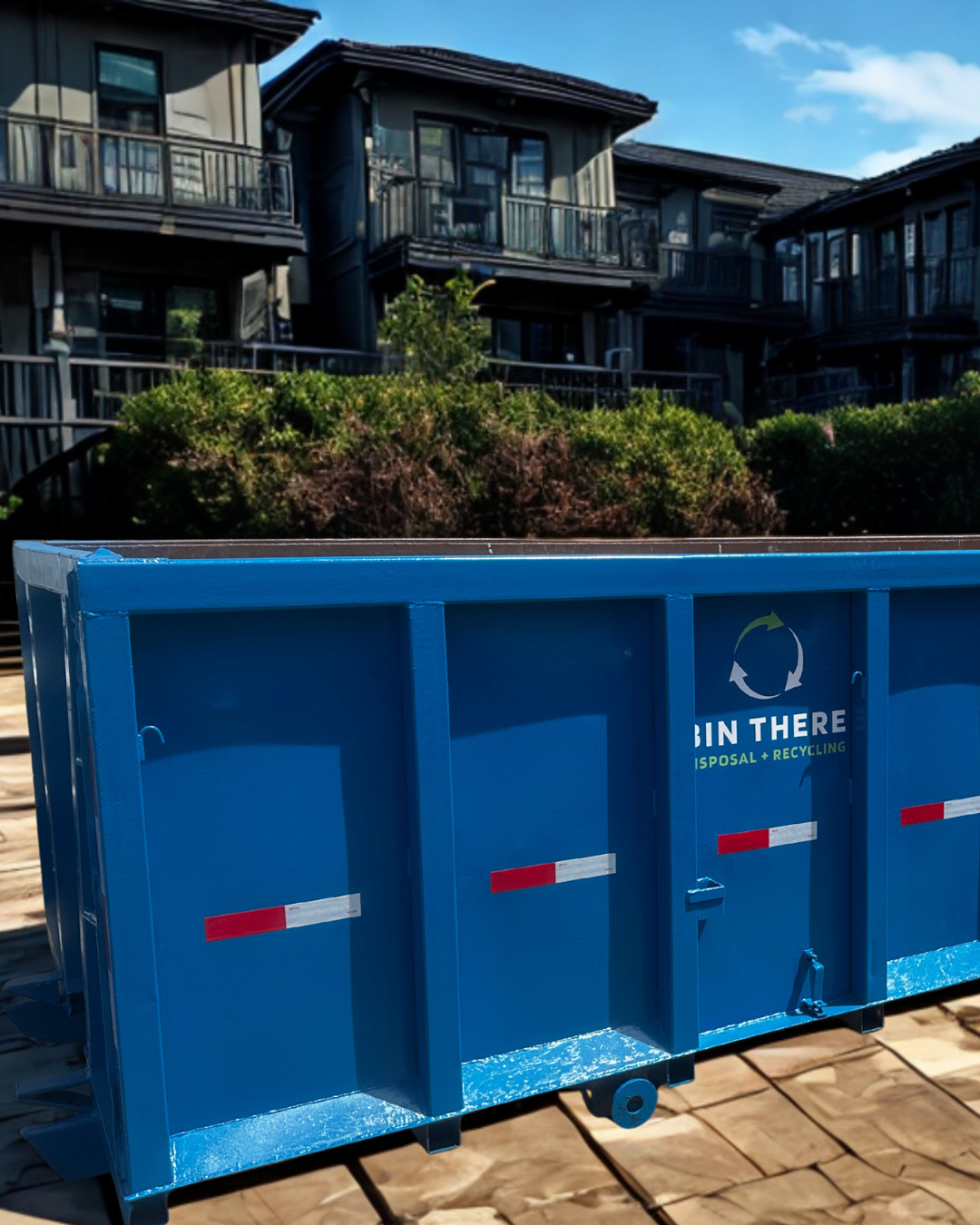
• Phase-appropriate bin types: A 20-yard general debris bin that works well for framing waste is not the right fit for excavation material or roofing teardown. Matching the bin type to each phase avoids weight overages and contamination.
• Clear bin labelling throughout: Each trade that comes on site mid-project needs to know which bin is for which material. Clearly labelled bins prevent mixed loads without requiring constant supervision.
• Pickup at phase transitions: The window between phases is the cleanest opportunity to clear the site. Calling for pickup during phase changeovers starts the next stage with a clean slate and full staging space.
• Subcontractor briefings: New crews coming on site need a quick rundown of the disposal setup. An undocumented system leads to mixed loads faster than almost anything else on a busy build.
► The single most important habit across a multi-phase build is resetting the disposal setup at each phase transition rather than carrying the previous phase's approach forward into new work.
How Do Contractors Manage Waste Disposal Across Multiple Construction Phases?
The most effective approach is treating each phase as its own disposal unit with its own bin type, weight consideration, and pickup schedule rather than running a single continuous bin rotation across the full project. At the start of each phase, the primary waste materials are identified, the appropriate bin is confirmed, and pickup is scheduled to align with the phase completion date rather than with the rental period alone.
On larger builds across Metro Vancouver, this typically means coordinating with the disposal provider at the beginning of each phase rather than once at project kickoff. Providers who are familiar with phased construction can often anticipate volume spikes and adjust bin size or swap frequency proactively before the issue reaches the site.
Signs Your Disposal Setup Needs a Refresh Mid-Project
A disposal plan that was working well in an earlier phase may need adjustment as the project progresses. These are the signs worth acting on early.
• Bins filling ahead of the rental period consistently, requiring unplanned pickups or emergency swaps
• Crew members mixing waste streams because the right bin is full and no swap has been scheduled
• Staging space shrinking as debris accumulates between pickup cycles
• Overage charges appearing on invoices that were not present in earlier phases
• Subcontractors asking where to put materials because the bin setup has not been updated to reflect the current phase.
How to Keep the Waste Management Side Ahead of Every Phase
Staying ahead of disposal on a multi-phase build means treating it as a scheduled task at each phase transition, not a reactive one triggered by a full bin.
• Review the disposal setup at the start of each new phase and confirm bin type, size, and pickup frequency match the upcoming work.
• Schedule pickup requests to align with phase completion, not with bin capacity alone.
• Keep the disposal provider updated when the project timeline shifts. Adjustments are easier to make with advance notice than on the day a phase wraps.
• Maintain a site log of bin contents and pickup dates across phases for both project reporting and reference if overage questions arise.
Keep Your Multi-Phase Build Clean From the First Phase to the Last
A disposal setup that keeps pace with every stage of a complex build is one that was planned with the full project in mind from the start. Contact Bin There Disposal Services with your project phases, material types, and timeline, and get a bin rotation plan that stays ahead of the build from groundbreak to final cleanup!