What to Expect From Concrete and Dirt Disposal on a Vancouver Job Site
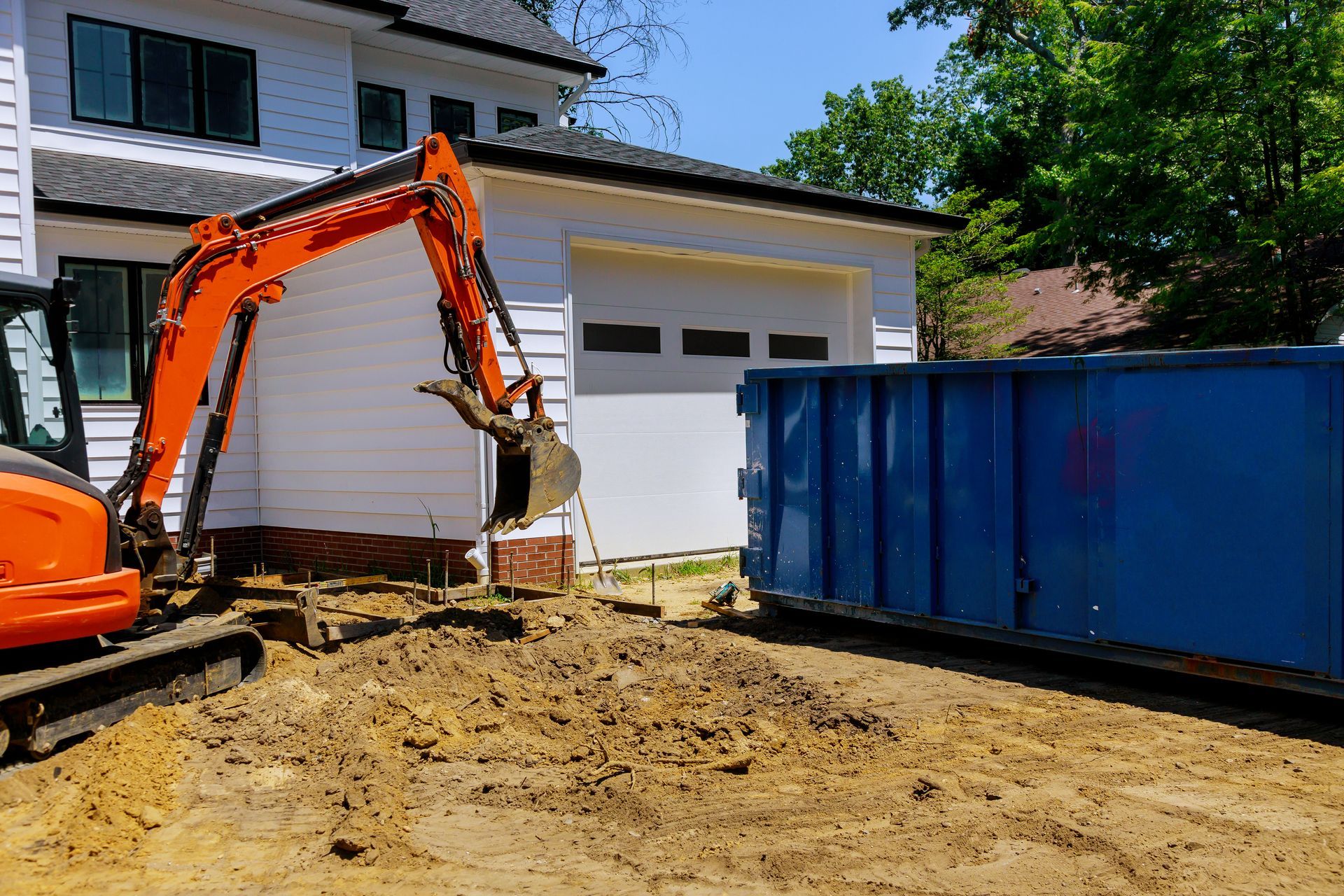
Concrete and dirt disposal go smoothly when the project is set up with accurate expectations from the start. Bin There Disposal Services Ltd. works with homeowners and contractors across Vancouver and the surrounding communities on heavy material jobs regularly, and the ones that run without issues share a common thread: the client knew what to expect before the first load went in.
Here is a straightforward look at what concrete and dirt disposal actually involves on a Metro Vancouver job site, so the planning reflects reality and the project stays on track.
What We Cover:
- Understanding Weight Limits Before Loading Begins
- What Load Combinations Work and What to Keep Separate
- What Happens if My Concrete Disposal Bin Is Over the Weight Limit in Metro Vancouver?
- How Long Does Concrete and Dirt Disposal Actually Take From Bin Drop to Pickup in Vancouver?
- How to Set Your Heavy Material Job Up for a Clean Run
- Frequently Asked Questions
Understanding Weight Limits Before Loading Begins
Weight is the primary factor on any concrete or dirt disposal job, and understanding how it works before loading starts is what keeps the project cost predictable. A bin that looks partially filled can still be at or near its weight limit when the load is dense, and that is the point where overages begin.
Heavy material bins are rated for specific weight thresholds. When a load comes in over that limit, the overage is charged by the tonne at the point of processing. On jobs involving broken concrete, dense soil, or mixed aggregate, the weight ceiling can be reached before the bin looks full.
→ A quick tip to remember: The fill level of a concrete or dirt bin is not a reliable guide to where you stand on weight. Tracking material type and volume as you load is the more accurate approach.
The most common misunderstanding on heavy material jobs is assuming that the bin size determines the total capacity without any further constraints. Bin size sets the volume limit, and the weight rating is a separate ceiling that applies regardless of how much visual space is left.
What Load Combinations Work and What to Keep Separate
Knowing which materials can share a bin and which need to be separated makes a meaningful difference on concrete and dirt disposal jobs, both in cost and in how the load gets processed at the facility.
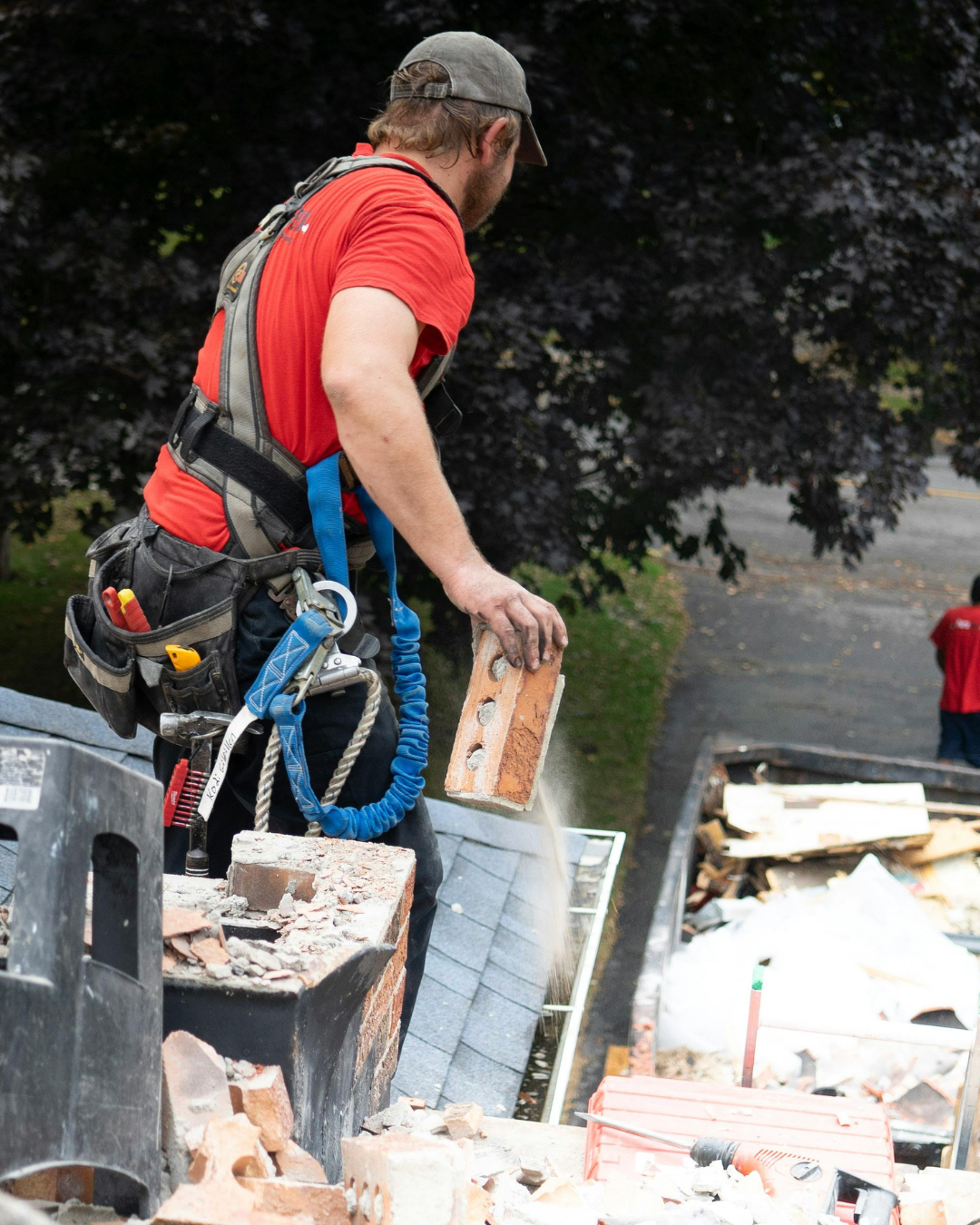
Clean concrete is one of the most recoverable demolition materials available. Broken slabs, foundation chunks, and sidewalk pieces that are free of rebar, embedded wire, and organic material are typically accepted for recycling and diversion. Loads that include significant rebar, treated wood, insulation, or mixed debris alongside the concrete are more likely to be processed as general waste.
Dirt loads have their own conditions. Clean fill soil that is free of organic material, concrete chunks, and site debris is often accepted and in some cases, eligible for reuse as backfill. Soil mixed with roots, gravel, or jobsite debris is a different material and gets handled accordingly.
→ A quick tip to remember: Separating clean concrete from mixed demolition debris and clean soil from contaminated fill is the most effective way to keep heavy material disposal costs where you expect them.
The clients who get the best outcomes on these jobs are the ones who sort materials during the work rather than leaving it for the end.
This is something crews who work regularly with Bin There Disposal Services come to appreciate early on in the relationship.
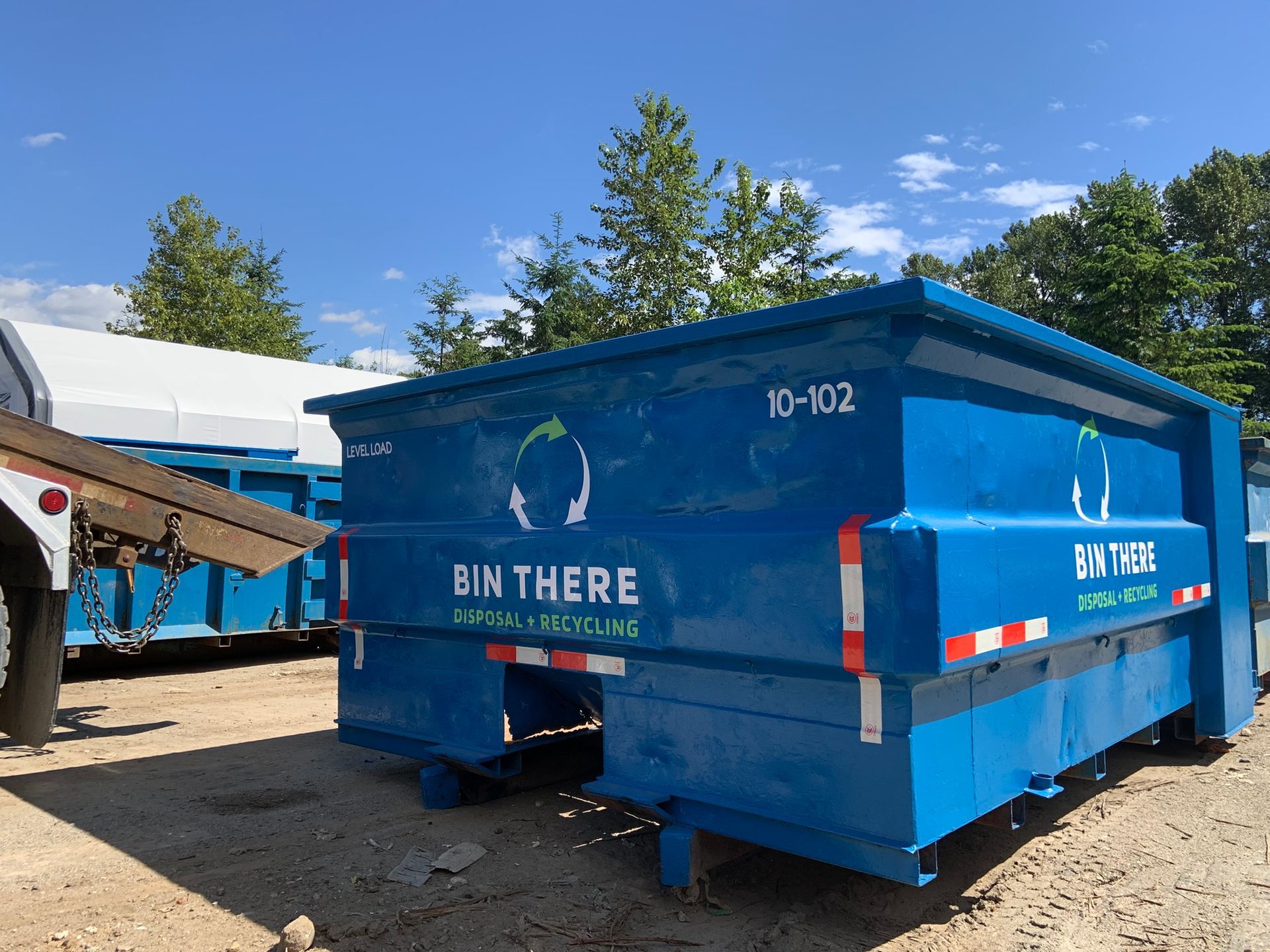
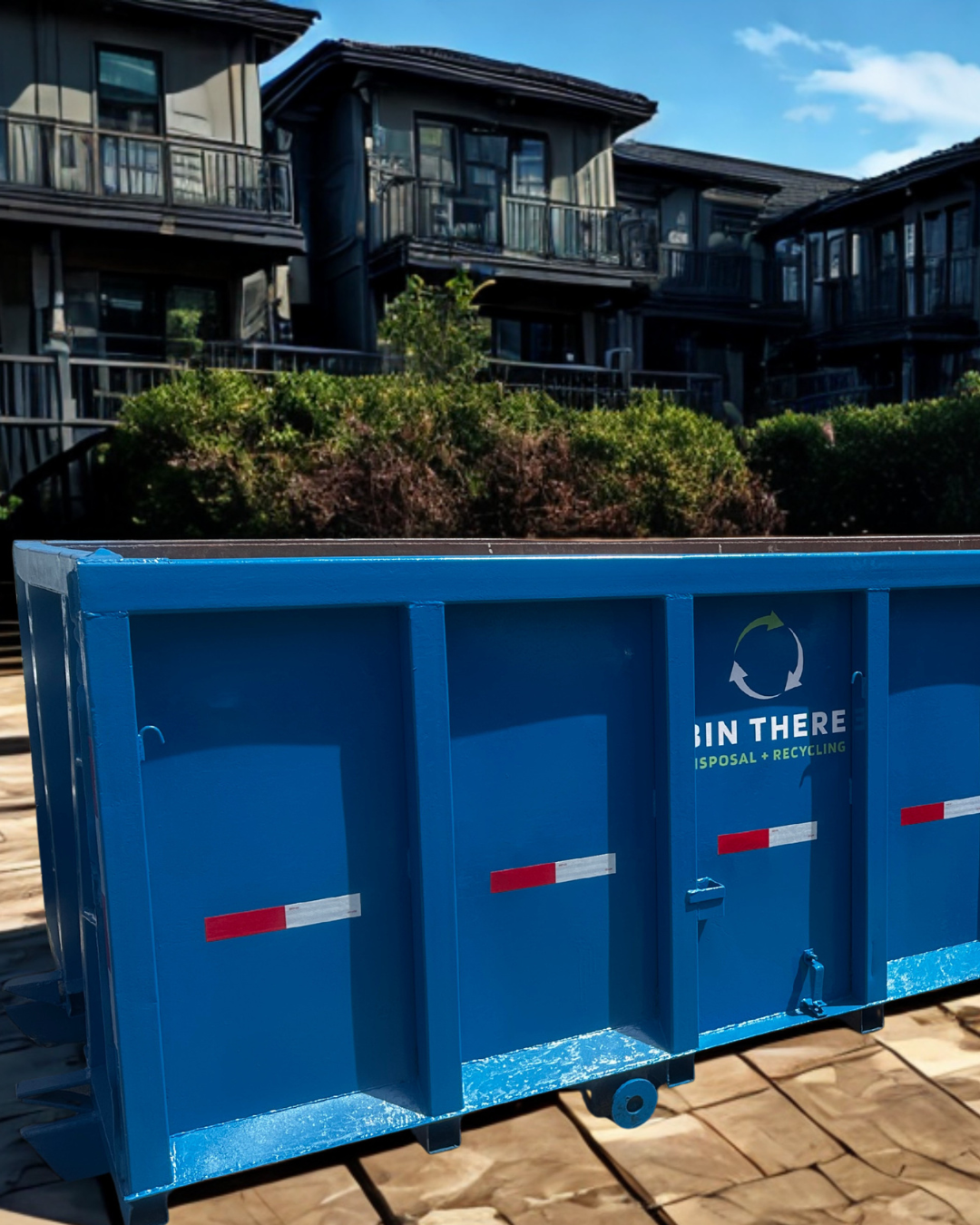
► Client Experience: "Using Bin There Disposal was painless. Driver was super accommodating, placing our 20-yard bin right where we needed it. Communication throughout the process was 10/10 - from the booking call to the follow-up and pickup request. Will be using Bin There on our next projects!" - Erik Kloepper
Clear communication and accurate placement from the start are the two things that set a well-run heavy material job apart from one that generates extra calls and extra costs.
How Long Does Concrete and Dirt Disposal Actually Take From Bin Drop to Pickup in Vancouver?
For most jobs across Metro Vancouver, the full process from delivery to pickup moves at a pace that fits a well-planned project schedule. Delivery is typically available within one to two business days of booking. The bin goes in, loading happens at the project's pace, and pickup follows within one business day of the request in most cases.
The part of the timeline worth planning for is the pickup request lead time. Calling for pickup on the same day the loading finishes works on quieter days but may involve a one-day wait during busy periods. Building a one-day buffer into the schedule keeps the bin from sitting on site past the project's natural completion point.
→ A quick tip to remember: Schedule your pickup request a day before the project wraps. It is a small adjustment that keeps the site clean and the timeline tight.
How to Set Your Heavy Material Job Up for a Clean Run
The jobs where concrete and dirt disposal go smoothly are the ones where a few straightforward habits are in place from day one.
• Material sorting: Keep clean concrete, clean soil, and mixed debris in separate streams from the start.
• Weight awareness: Know the weight limit for your bin before loading begins and track dense material as you go.
• Site access: Confirm the drop zone and access conditions before delivery so the bin lands in the right spot on arrival.
• Pickup timing: Build a one-day lead time into the pickup request so the bin clears the site on schedule.
Frequently Asked Questions
What Happens if My Concrete Disposal Bin Is Over the Weight Limit in Metro Vancouver?
Weight overages are charged by the tonne above the rated limit, applied at the time of processing when the load is weighed at the disposal facility. There is no way to remove material from a bin once it has been picked up, so overages discovered at that point are applied to the final invoice without exception. The most reliable way to manage this is to confirm the weight limit with your provider before loading begins and to track dense materials by type rather than relying on the visual fill level as a guide.
Can You Mix Dirt, Rock, and Concrete in the Same Bin in BC?
It depends on what is in the mix and in what proportions. Clean concrete combined with a reasonable amount of clean dirt is typically accepted in a heavy material bin. Once the load includes significant rock, rebar, organic debris, or general construction waste alongside the concrete and dirt, the load is more likely to be processed as general waste rather than diverted for recycling. Keeping material streams as clean and separated as possible from the start is the most consistent way to avoid rejection or unexpected processing fees.
How Long Does Concrete and Dirt Disposal Actually Take From Bin Drop to Pickup in Vancouver?
For most residential and light commercial jobs in Metro Vancouver, the full process from delivery to pickup runs between two and seven days, depending on the project pace and rental period. Delivery is generally available within one to two business days of booking, and pickup typically follows within one business day of the request. Building a one-day pickup buffer into the project schedule is the simplest way to keep the overall timeline clean and avoid the bin sitting on site after the work is done.
Plan Your Heavy Material Disposal Right and the Job Runs Better
The details above make the difference between a concrete and dirt disposal job that goes smoothly and one that generates unexpected costs. Contact Bin There Disposal Services with your project details and get the right bin, weight class, and pickup plan in place before the first load hits the ground!