6 Ways Richmond Contractors Can Reduce Job Site Waste With Recycling Bin Rentals
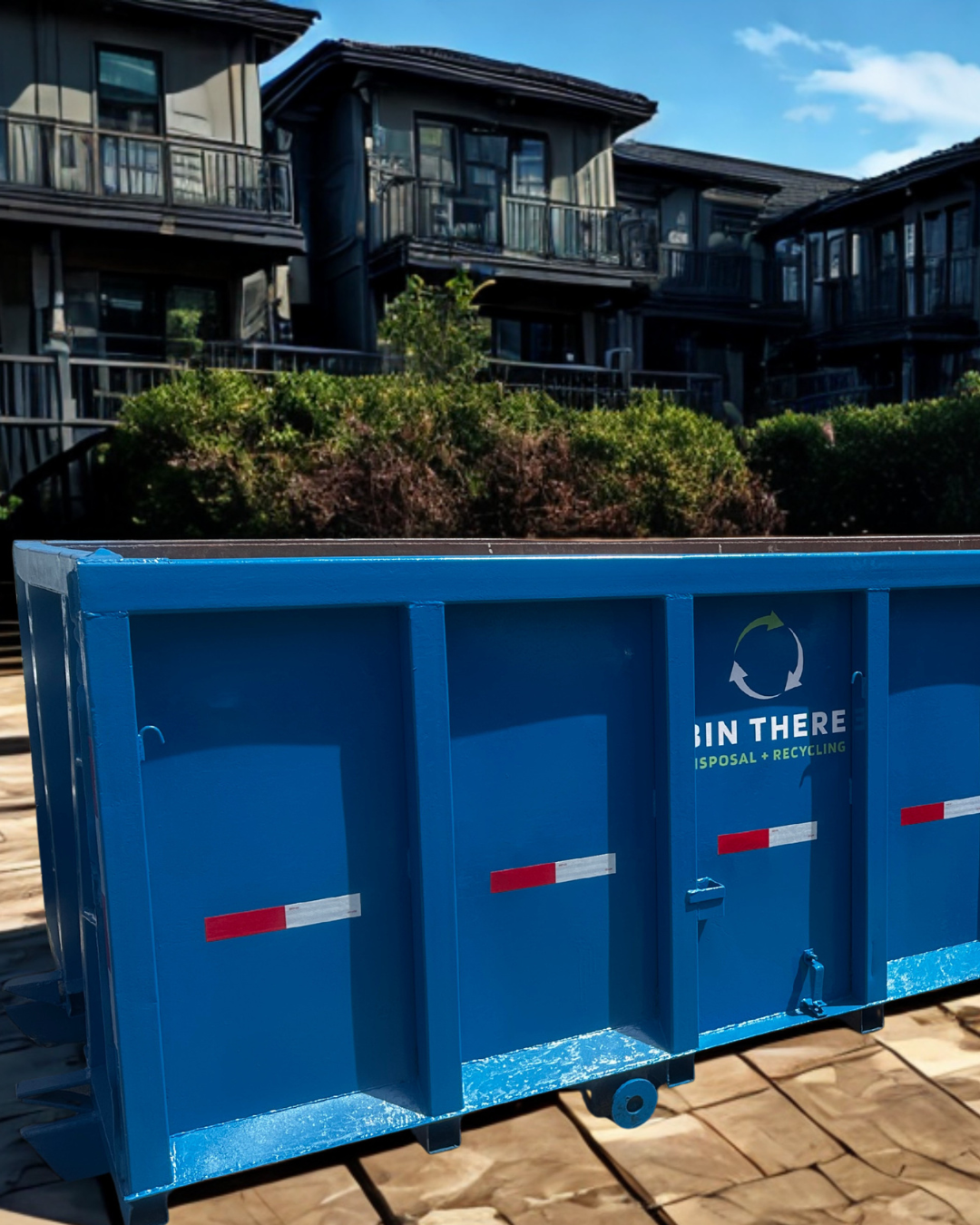
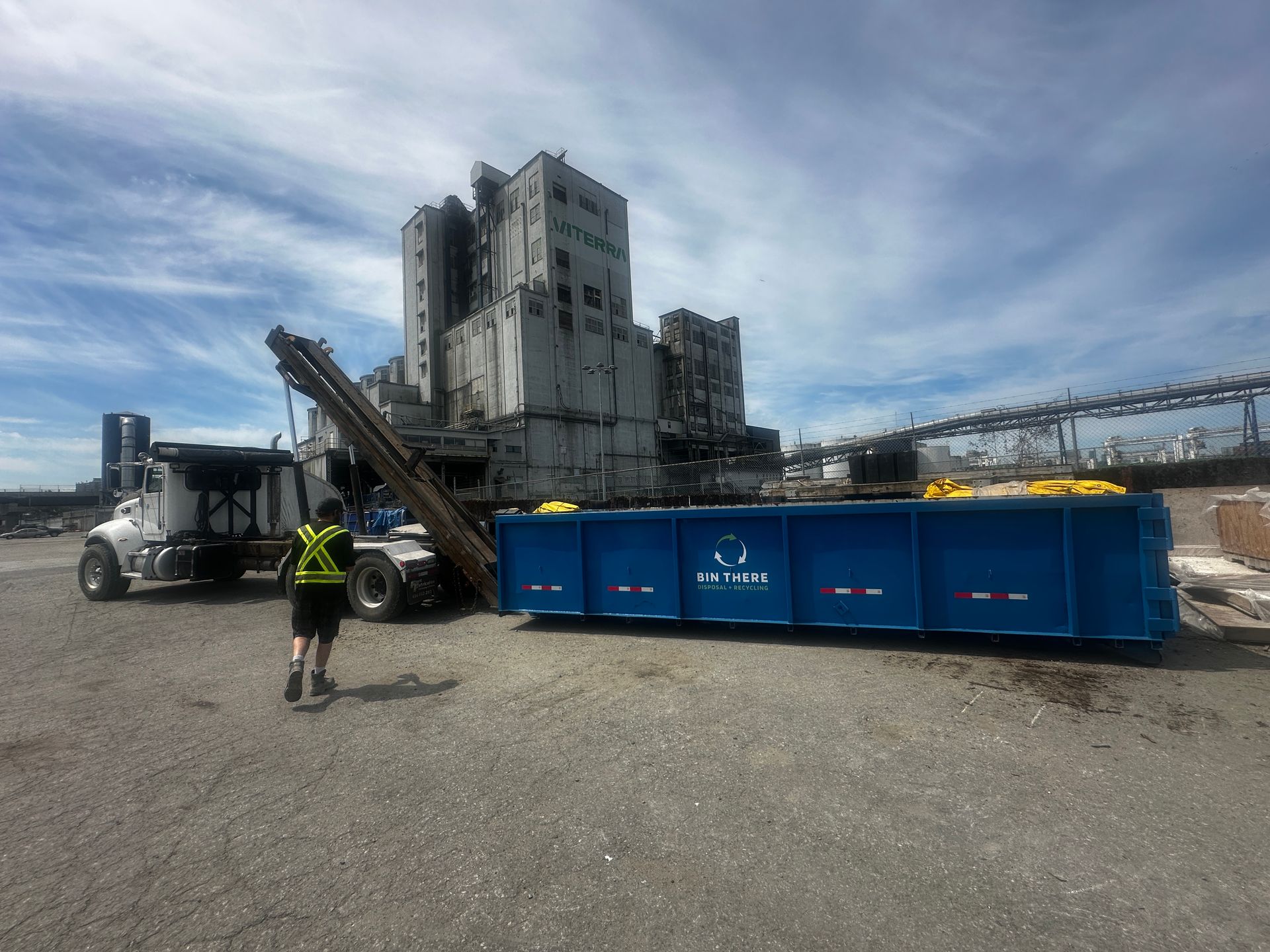
Recycling bin rentals give Richmond contractors a practical way to reduce disposal costs and meet BC's growing waste diversion expectations on every project. Bin There Disposal Services Ltd. works with contractors across Metro Vancouver who want their job site waste handled responsibly without adding complexity to an already busy schedule.
These six tips cover how to make recycling bin rentals work effectively on a construction or renovation job, so the environmental and cost benefits actually show up on the project.
What We Cover:
- Tip #1: Know Which Materials on Your Site Are Actually Recyclable
- Tip #2: Separate Streams From Day One, Not the Last Day
- Tip #3: Match Bin Size to Recyclable Volume, Not Project Size
- Tip #4: Understand How Recycling Bin Pricing Actually Works
- Tip #5: Use Recycling Compliance to Your Advantage on Green Builds
- Tip #6: Brief Your Crew Before the First Bin Goes Down
- Frequently Asked Questions
Tip #1: Know Which Materials on Your Site Are Actually Recyclable
Starting with a clear list of what is and is not accepted in a construction recycling bin is what keeps the load clean and the diversion rate meaningful. Loading the wrong material turns a recycling bin into a contaminated general waste load quickly.
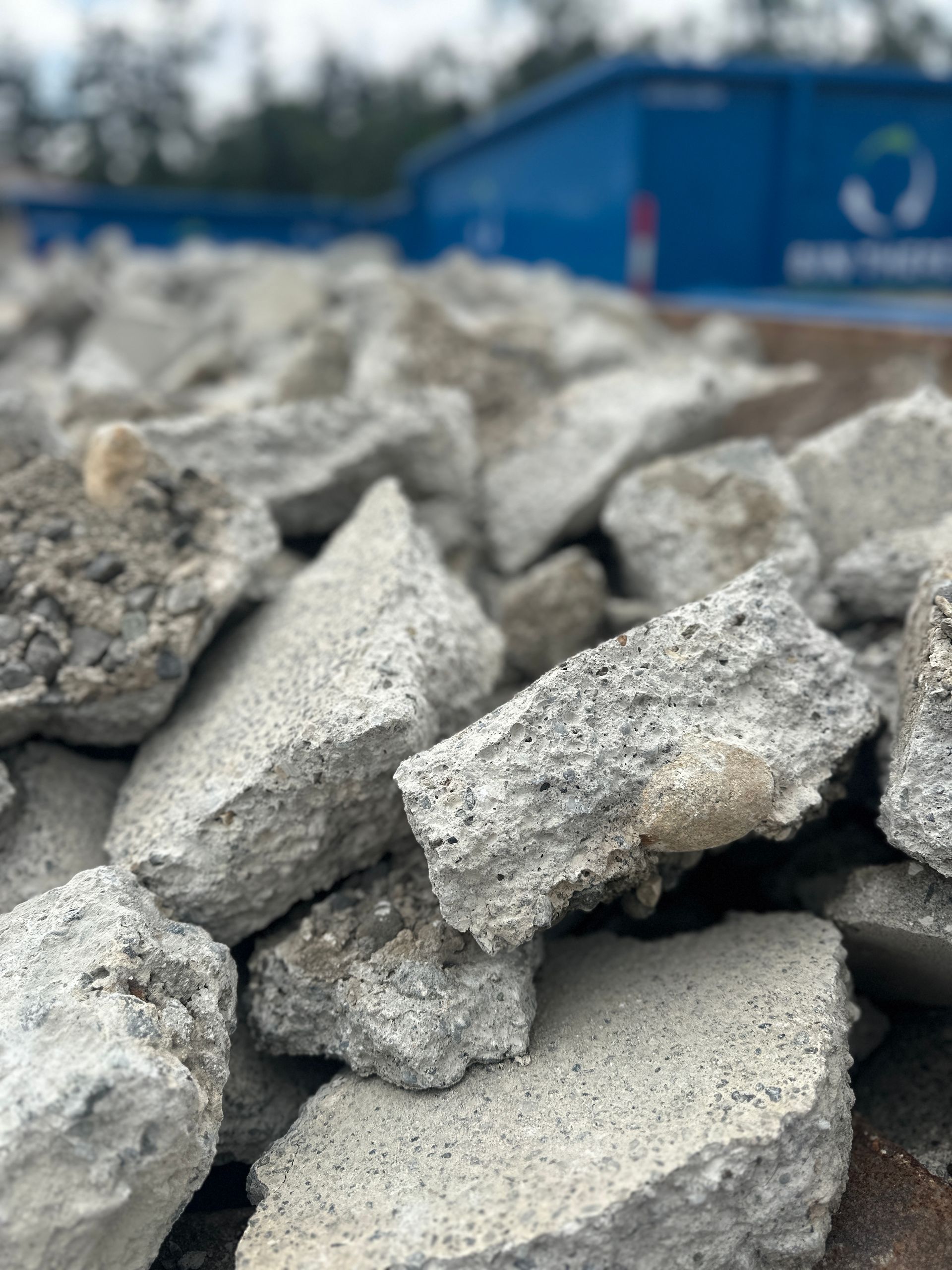
The materials most reliably accepted in Metro Vancouver construction recycling streams include clean wood framing, cardboard, drywall, metal, and clean concrete. Materials that look recyclable but frequently cause rejection include painted or treated wood, insulation, composite materials, and anything coated with adhesive or sealant.
• Clean wood: Untreated framing lumber and plywood are accepted. Painted, stained, or laminated wood is not.
• Metal: Structural steel, copper pipe, and aluminum framing are recyclable. Metal combined with insulation or composite material needs to be cleaned up first.
• Cardboard: Dry, uncontaminated packaging cardboard is accepted. Wet or soiled cardboard typically is not.
Tip #2: Separate Streams From Day One, Not the Last Day
Building material separation into the daily site workflow is the step that makes everything else about recycling bin rental work. Waiting until the project is nearly done to sort the waste means materials are mixed, some are damaged, and the sorting takes significantly longer than it would have during the work.
Contractors who get the best results treat recyclable materials as a separate category from the moment they come off the structure, not as something to organise later.
• Label bins clearly on day one so every crew member knows which material goes where without asking.
• Assign one person per crew to do a quick bin check at the end of each work day.
• Keep recyclable materials undercover where possible. Wet cardboard and waterlogged wood lose their recyclability quickly on a Metro Vancouver job site.
Tip #3: Match Bin Size to Recyclable Volume, Not Project Size
A larger project does not automatically need a larger recycling bin. The more accurate factor is the volume of specific recyclable material the project generates, and sizing the bin to that output rather than to the overall project footprint is what keeps the rental cost-efficient.
A large commercial renovation may produce significant general waste but relatively modest volumes of clean recyclable material. Booking a recycling bin based on total project size rather than recyclable output leads to either an undersized bin that fills too fast or an oversized one that adds rental cost without benefit.
• Estimate recyclable material by category before booking. Wood, metal, and cardboard each take up different volumes per unit of weight.
• Consider a mid-project swap if the recyclable volume is hard to predict upfront. Adding a bin is easier than managing an overloaded one.
• Talk to your provider about sizing based on the specific materials your project generates, not just the square footage.
Tip #4: Understand How Recycling Bin Pricing Actually Works
Recycling bin rentals are not automatically cheaper than general waste bins, and understanding how pricing works before booking is what keeps the budget on track.
Recycling bin pricing in Metro Vancouver is typically based on bin size, rental period, and the processing cost for the specific material stream. Clean, uncontaminated loads are processed at lower rates because the material has downstream value. Mixed or contaminated loads get redirected to general waste processing and charged accordingly, which removes the cost advantage entirely.
• Ask your provider for the per-tonne processing rate for each material type before booking.
• Confirm whether contamination results in a flat surcharge or a full reclassification to general waste pricing.
• Factor in the rental period alongside the processing cost. A bin sitting on site longer than needed adds rental cost regardless of how clean the load is.
Tip #5: Use Recycling Compliance to Your Advantage on Green Builds
BC's Step Code and Metro Vancouver's green building requirements increasingly include waste diversion targets as part of project compliance. Contractors who can document recycling rates on a job site are in a stronger position on green-designated projects and institutional contracts.
• Keep disposal records from your recycling bin provider. Weight receipts and material diversion documentation are useful for project reporting.
• Confirm with your provider whether they can supply a waste diversion summary for permit or compliance purposes.
• Recycling bin rental on a documented green build is not just a cost decision. It is part of the project's compliance record and a credential worth having.
Tip #6: Brief Your Crew Before the First Bin Goes Down
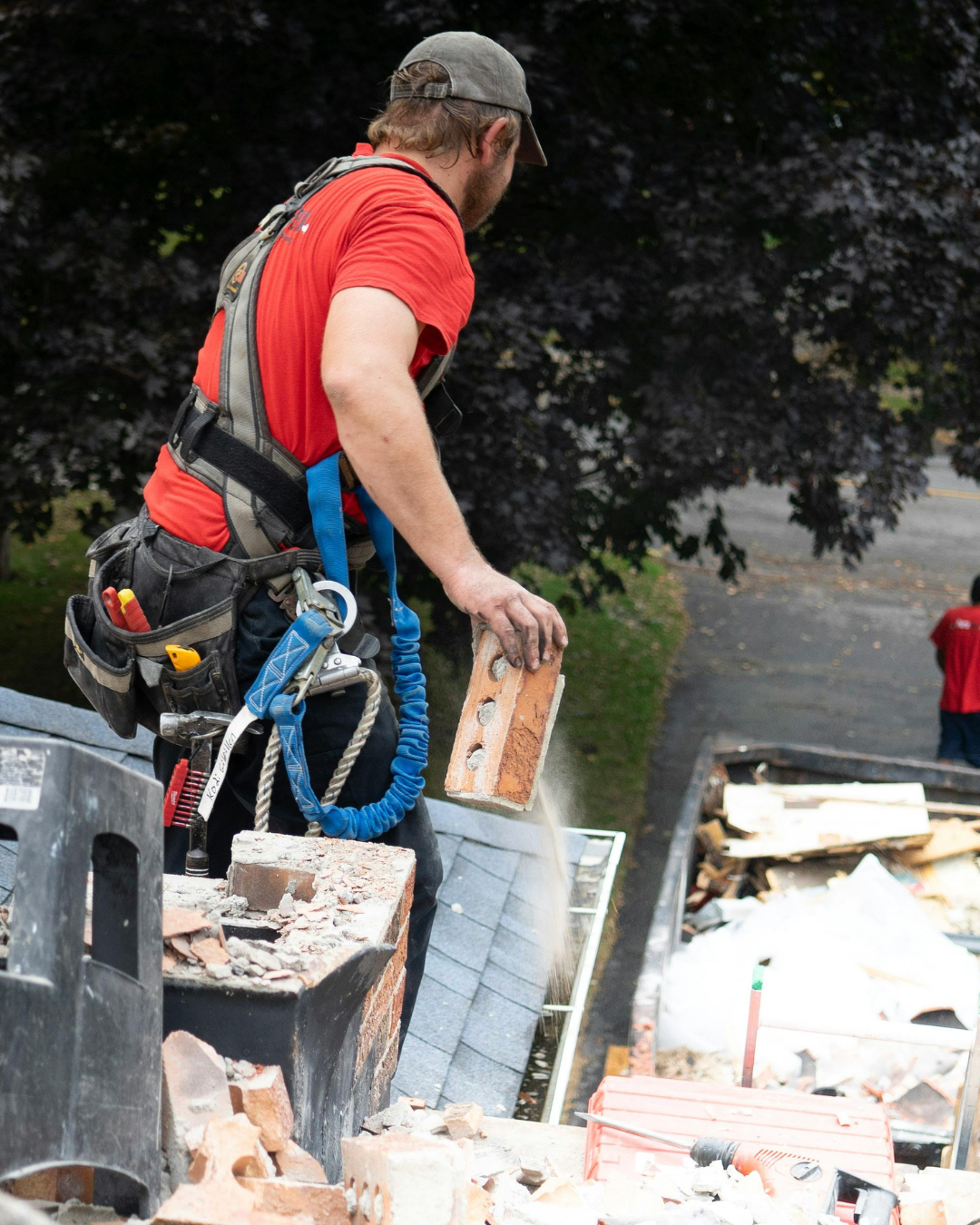
A recycling bin that the crew does not understand is effectively a general waste bin with a different label on it. A five-minute site briefing before the first bin is placed is the single most effective step a contractor can take to protect the load and get value from the rental.
• Cover which materials go in each bin and which do not, with specific examples from the project.
• Explain what happens to the project cost if a bin gets contaminated.
• Revisit the briefing when new subcontractors come on site mid-project, so the separation habits carry through every phase.
Frequently Asked Questions
What Materials Can Go in a Recycling Disposal Bin on a BC Job Site?
Accepted materials vary by facility, but clean wood framing, cardboard, metal, drywall, and uncontaminated concrete are among the most commonly accepted in Metro Vancouver's construction recycling streams. The key qualifier across all categories is cleanliness. Materials contaminated with paint, adhesive, composite layers, or mixed debris lose their recyclability and will be redirected to general waste processing. Before loading begins, ask your provider for a specific accepted materials list for the bin type you are renting, rather than relying on general assumptions.
How Does Recycling Bin Rental Pricing Compare to General Waste Bins in Metro Vancouver?
For clean, uncontaminated loads, recycling bin processing costs are typically lower than general waste disposal rates because the material has downstream value at the processing facility. The bin rental fee itself is generally comparable. The cost advantage disappears when a recycling bin receives contaminated material, at which point the load gets processed as general waste and the pricing difference is gone. The net savings from a recycling bin rental depend entirely on how consistently the load is kept clean throughout the project.
Do Recycling Bins Help Contractors Meet BC Green Building Requirements?
Yes, in practical terms. Metro Vancouver's waste diversion policies and BC's Step Code framework both place meaningful weight on construction waste recycling, and documented diversion rates are increasingly relevant on institutional and green-designated projects. A recycling bin rental from a provider who can supply weight and diversion records gives contractors something concrete to include in project reporting. It does not satisfy every green building requirement on its own, but it contributes directly to the waste management component of most compliance frameworks currently in use across BC.
Make Your Job Site Waste Work Harder for Your Project
The tips above deliver their best results when applied together from the start of the project rather than introduced one at a time. Contact Bin There Disposal Services with your project details and find out which recycling bin setup makes the most sense for your next Richmond or Metro Vancouver job.