7 Things Burnaby Contractors Can Do Before Ordering a Disposal Bin to Save Time and Money
A well-planned disposal bin rental makes a Burnaby job site run better from day one. Bin There Disposal Services Ltd. works with trade professionals across Metro Vancouver who know that a few minutes of preparation before the call saves hours of trouble once the project is underway.
These seven steps cover what experienced contractors confirm before ordering a bin, and applying them consistently is what keeps surcharges, delays, and site headaches from showing up uninvited.
What We Cover:
- Tip #1: Confirm Your Material Types Before You Call
- Tip #2: Know the Permit Rules for Your Drop Location
- Tip #3: Estimate Weight, Not Just Volume
- Tip #4: Check Site Access Before Booking
- Tip #5: Nail Down Your Project Timeline First
- Tip #6: Understand What Triggers Surcharges
- Tip #7: Ask About Swap and Pickup Flexibility Upfront
- Frequently Asked Questions
Tip #1: Confirm Your Material Types Before You Call
The most useful piece of information a disposal provider needs upfront is what is going into the bin. Material type determines the right bin rating, the applicable weight thresholds, and whether mixed loads are accepted, and getting this right from the start sets the whole rental up correctly.
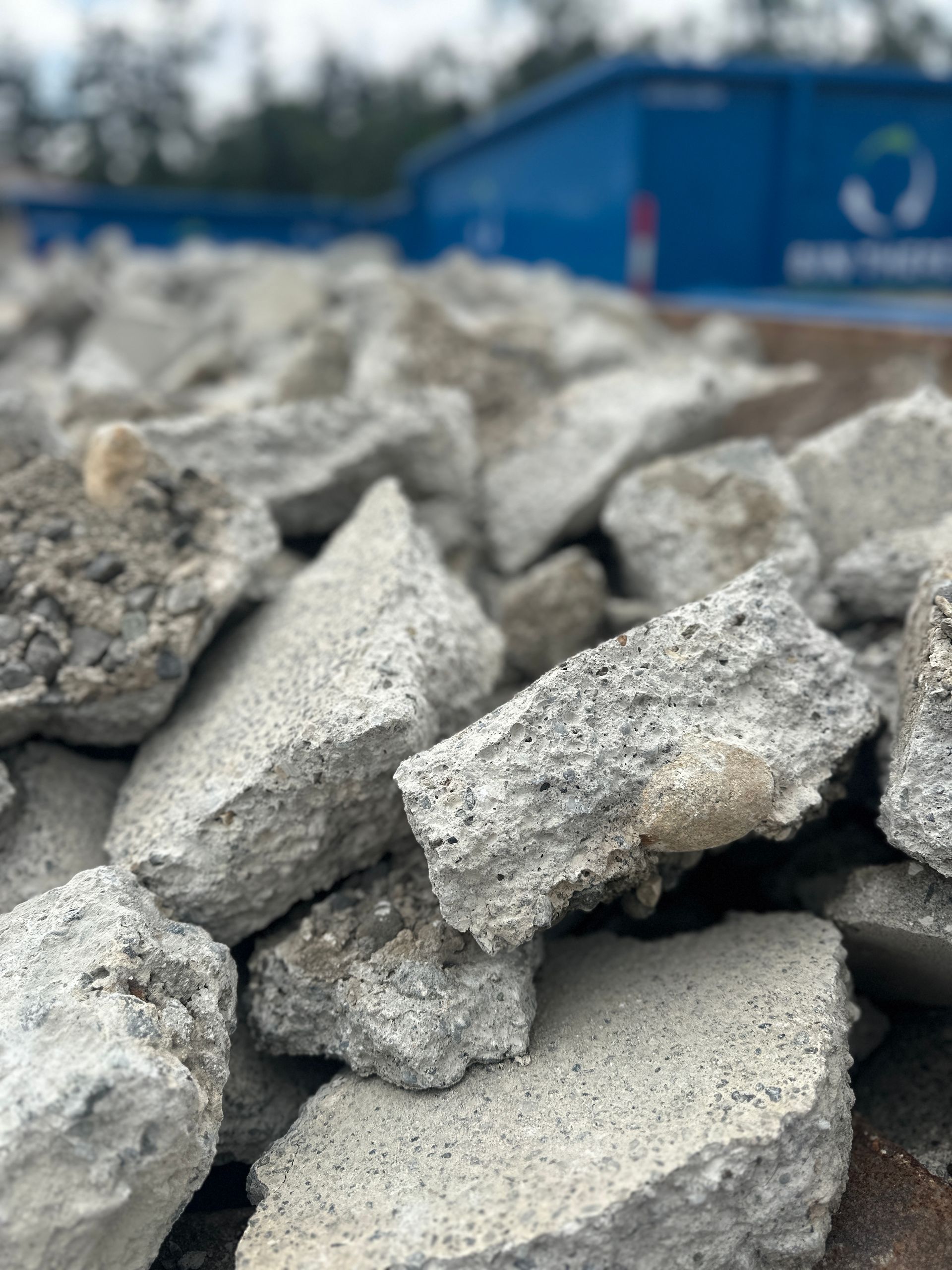
• Concrete and dirt: These require a heavy-material bin with specific weight limits. A general construction bin is not always rated for dense loads.
• Drywall: Gypsum waste has its own disposal requirements under BC regulations and needs to be kept separate from general renovation debris.
• Green waste: Yard material, soil, and organic debris have separate disposal streams and should be identified before booking.
Tip #2: Know the Permit Rules for Your Drop Location
Placing a bin on a Burnaby street or boulevard requires a permit from the City of Burnaby. Planning for this step in advance keeps the rental on schedule and the site compliant.
• Street placement: Apply for a City of Burnaby street occupancy permit before scheduling delivery. Processing takes a few business days.
• Private property: Confirm there are no strata bylaws or property restrictions that apply to bin placement on a driveway or private lot.
• Lane access: Burnaby lanes are narrow and some have vehicle restrictions. Confirm clearance with your provider before the booking is finalised.
Tip #3: Estimate Weight, Not Just Volume
A bin that looks partially filled can still hit its weight limit when it contains dense materials. Estimating by volume alone on a Burnaby construction job is the step that most commonly leads to overage charges.
• Mixed loads with concrete or tile: Even a partial layer of concrete across the bin floor can push the weight past the rated threshold.
• Roofing materials: Asphalt shingles and tar gravel are heavier in bulk than they appear. Multi-layer tear-offs add up quickly.
• Soil and aggregate: Wet soil weighs significantly more than dry. Site conditions after rain need to be factored into the estimate.
→ A quick tip to remember: Ask your provider for the weight limit per bin size before loading begins, not after the pickup truck is already on its way.
Tip #4: Check Site Access Before Booking
Disposal bin rental for Burnaby jobs works best when the delivery driver has a clear picture of the site before arrival. Tight lots, low overhead clearances, and blocked lane access are common across Burnaby's mix of older residential streets and active commercial zones.
• Gate and driveway width: A standard bin delivery truck needs a clear opening to set the bin safely. Measure before assuming it fits.
• Overhead lines and trees: Low-hanging utilities and tree canopy can block arm placement on the delivery truck. Walk the drop zone and look up.
• Neighbouring access: On attached or semi-detached sites, confirm that delivery does not block a shared driveway or violate a neighbour's access agreement.
Tip #5: Nail Down Your Project Timeline First
The rental clock starts on delivery day. Contractors who book before the project schedule is confirmed often use up rental days before the real work begins, which adds cost without adding progress.
• Coordinate delivery with demo start: Book the bin to arrive the day demolition or teardown begins, not the day the project kicks off in general.
• Plan for pickup timing: Know when the bin will need to be gone and build that into the schedule from the start.
• Buffer for delays: Renovation timelines shift. Ask about extension policies upfront so adjustments can be made without a last-minute scramble.
Tip #6: Understand What Triggers Surcharges
Surcharges follow predictable patterns, and knowing them in advance is all it takes to avoid most of them.
• Prohibited materials: Paint, chemicals, tires, and mattresses are not accepted in standard disposal bins. A contamination fee applies if they are found in the load.
• Overfilled bins: Waste loaded above the fill line is a road safety issue. Overloaded bins will be refused for pickup or charged an overfill fee.
• Weight overages: Exceeding the rated weight limit generates a per-tonne overage charge that appears on the final invoice.
→ A quick tip to remember: Request the prohibited items list when you book. It takes thirty seconds and removes the most common source of unexpected charges.
Tip #7: Ask About Swap and Pickup Flexibility Upfront
On larger Burnaby jobs, the ability to swap a full bin for an empty one mid-project keeps the site clear and the crew productive. Confirming this before booking prevents a gap in service at the worst possible time.
• Mid-project swaps: Confirm whether your provider offers bin swaps and what the scheduling lead time is.
• Pickup on demand: Ask whether early pickup is available if the project wraps ahead of schedule.
• Extended rentals: Know the daily extension rate before the rental period ends, so timeline changes do not create a cost surprise.
Frequently Asked Questions
What Are the Permit Rules for Placing a Bin on a Burnaby Street?
The City of Burnaby requires a street occupancy permit for any bin placed on a public road, boulevard, or sidewalk. Applications go through the city's engineering department and typically need a few business days to process. Placement without a permit can result in a fine or forced removal of the bin mid-project. Your disposal provider can walk you through what is needed, but initiating the permit application is the contractor's responsibility.
How Do I Avoid Overage Surcharges on a Construction Bin Rental?
The two main triggers are weight overages and prohibited materials. Confirm the rated weight limit for your bin size before loading begins and get the full prohibited materials list at booking. On mixed renovation jobs, separating heavy materials like concrete and tile from lighter debris like wood and drywall helps keep the weight more predictable across the rental period. Tracking what goes into the bin by material type each day makes it easier to flag a potential overage before pickup day.
Can I Mix Construction Debris and Green Waste in the Same Bin in Burnaby?
In most cases, no. Green waste and construction debris follow separate disposal streams in Metro Vancouver, and mixing them typically results in the full load being processed as general waste rather than being composted or recycled. This affects both the disposal cost and the environmental outcome of the project. The cleaner approach is a dedicated green waste bin for organic material and a separate construction bin for renovation debris from the start.
Book Your Burnaby Disposal Bin With Confidence
The steps above are what experienced contractors already run through before every bin rental, and now you have the same checklist in hand. Reach out to the Bin There Disposal Services team with your project details, material types, and site conditions, and get the right bin locked in before the work begins.