5 Signs You Ordered the Wrong Size Bin Rental for Your Job Site
Bin There Disposal Services Ltd sees the same pattern play out on renovation and cleanout sites across Burnaby, Coquitlam, and Surrey almost every month: a bin gets ordered based on a rough guess, and halfway through the job it becomes clear the size was wrong. The wrong size costs more than it should, whether that means paying for space that never gets used or scrambling to book a second bin mid-project.
This guide covers the five clearest signs a bin was sized wrong for the job, why debris type changes the right size more than most people account for, and a practical way to size correctly across the full 10 to 40 yard range.
In This Article:
- The five clearest signs a bin was sized wrong for the job
- How debris type changes the right size, not just the volume
- A practical way to size correctly across the 10 to 40 yard range
Sign One: The Bin Fills Before the Job Is Half Done
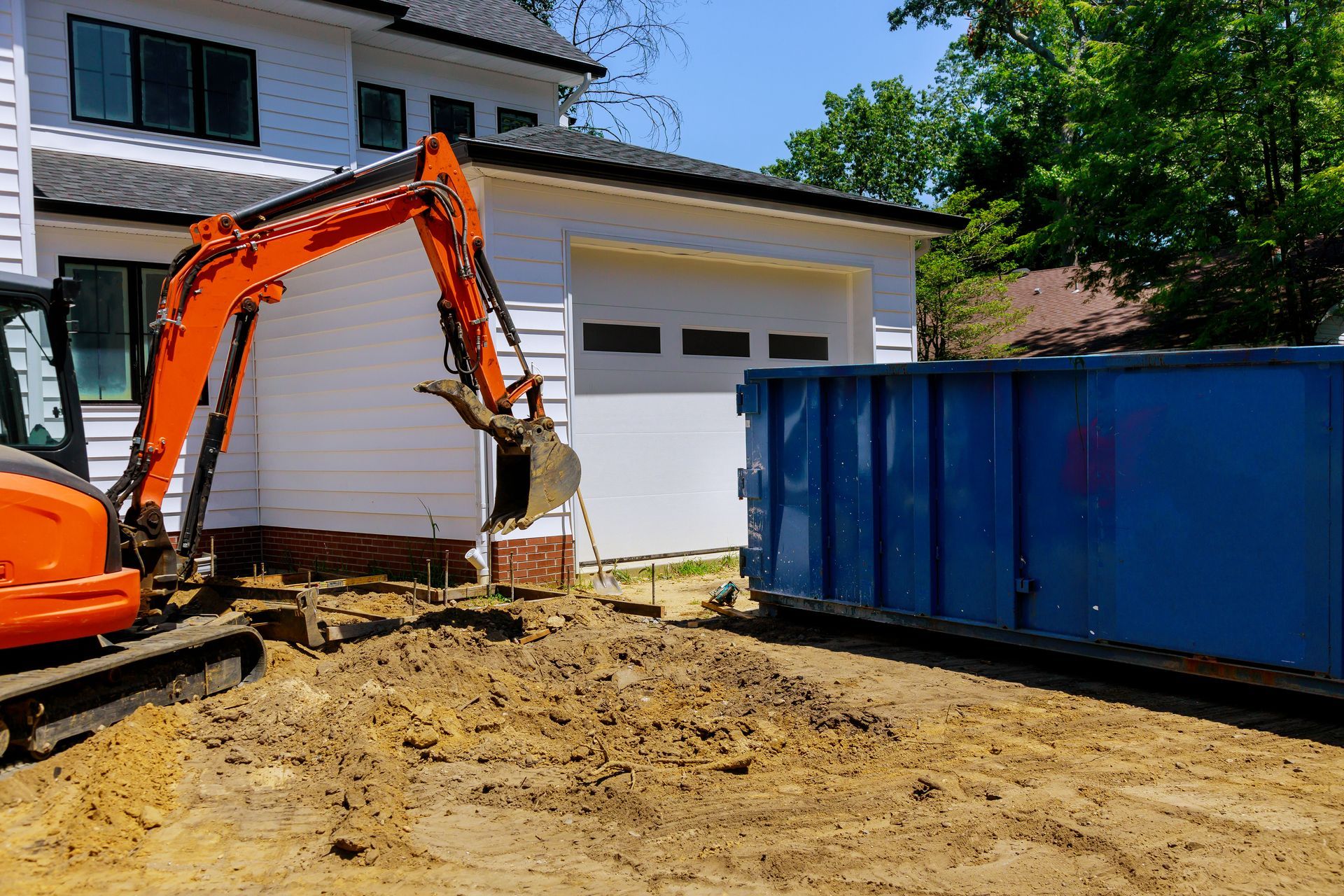
If a bin is packed solid with days of work still ahead, it was undersized for the scope from the start. This happens often on renovation jobs where the demo phase alone generates more material than the whole project was expected to produce, leaving a crew stuck waiting on a second delivery instead of working.
Sign Two: Crews Are Climbing Over the Rim to Load Material
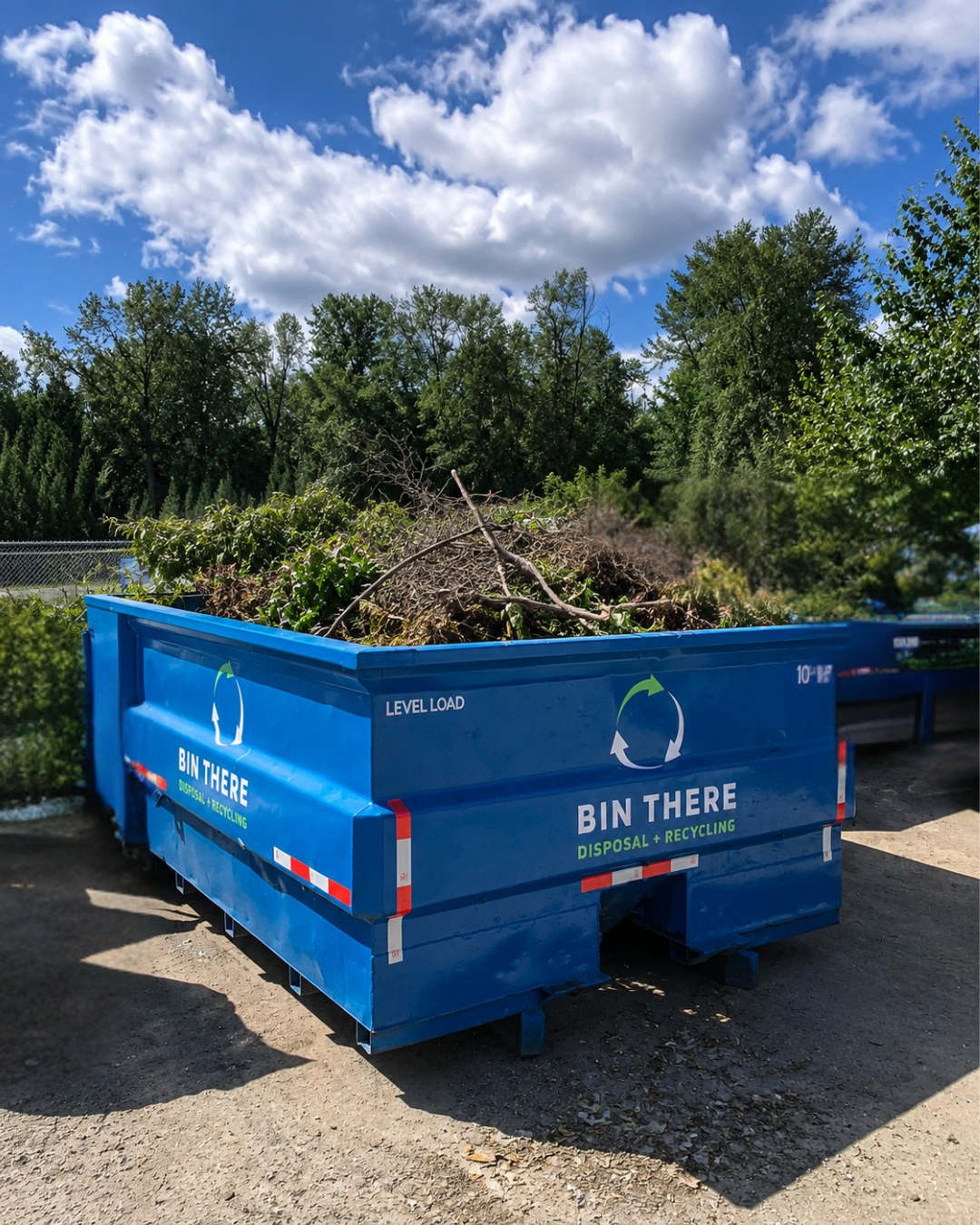
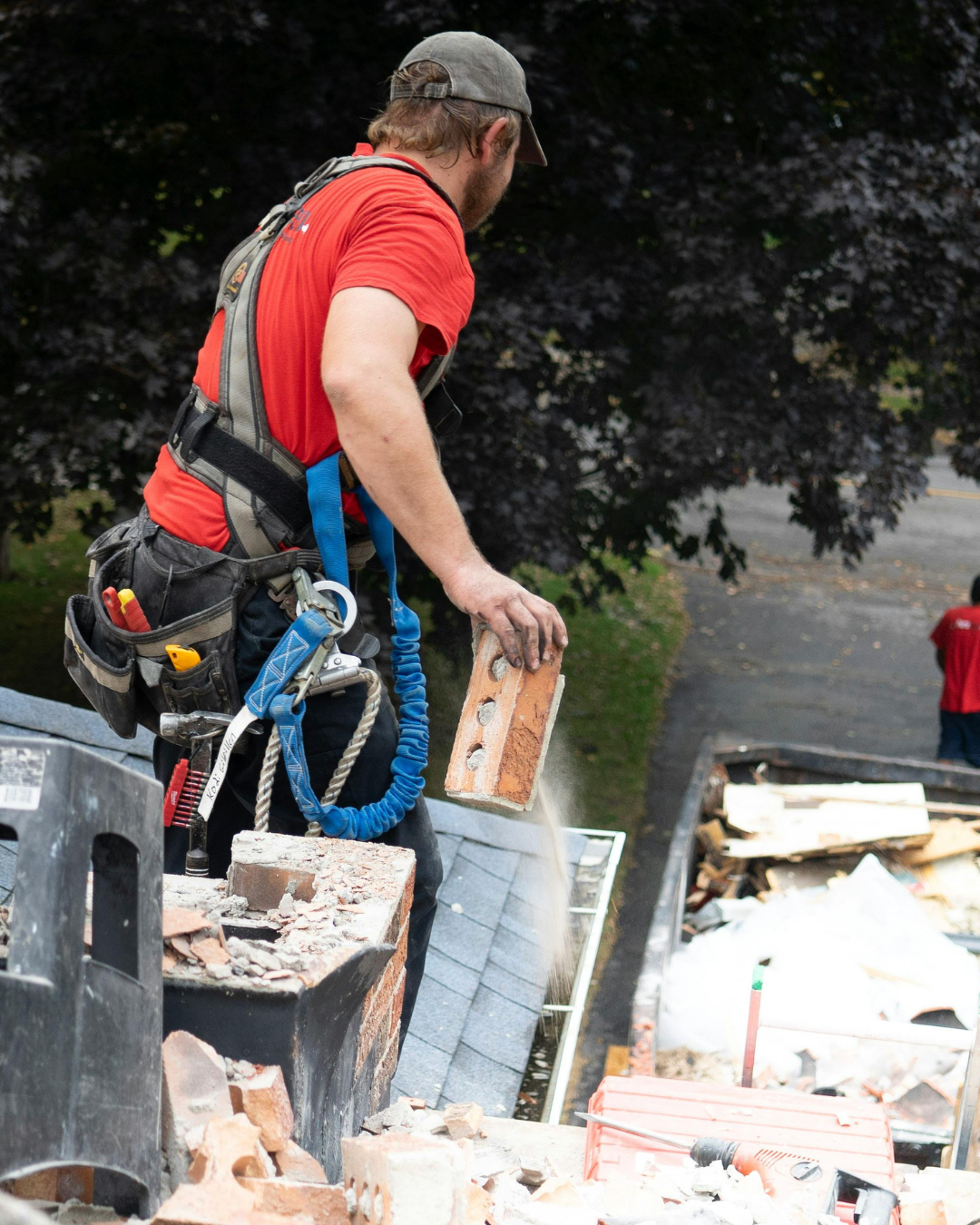
An overfilled bin is a safety problem, not just an inconvenience. When material sits above the rim and crews have to climb or toss debris over the edge, the risk of a fall or a strain injury goes up. A bin sized correctly for the job keeps loading at a safe height for the entire rental period.
Sign Three: The Bin Sat Mostly Empty for the Entire Rental
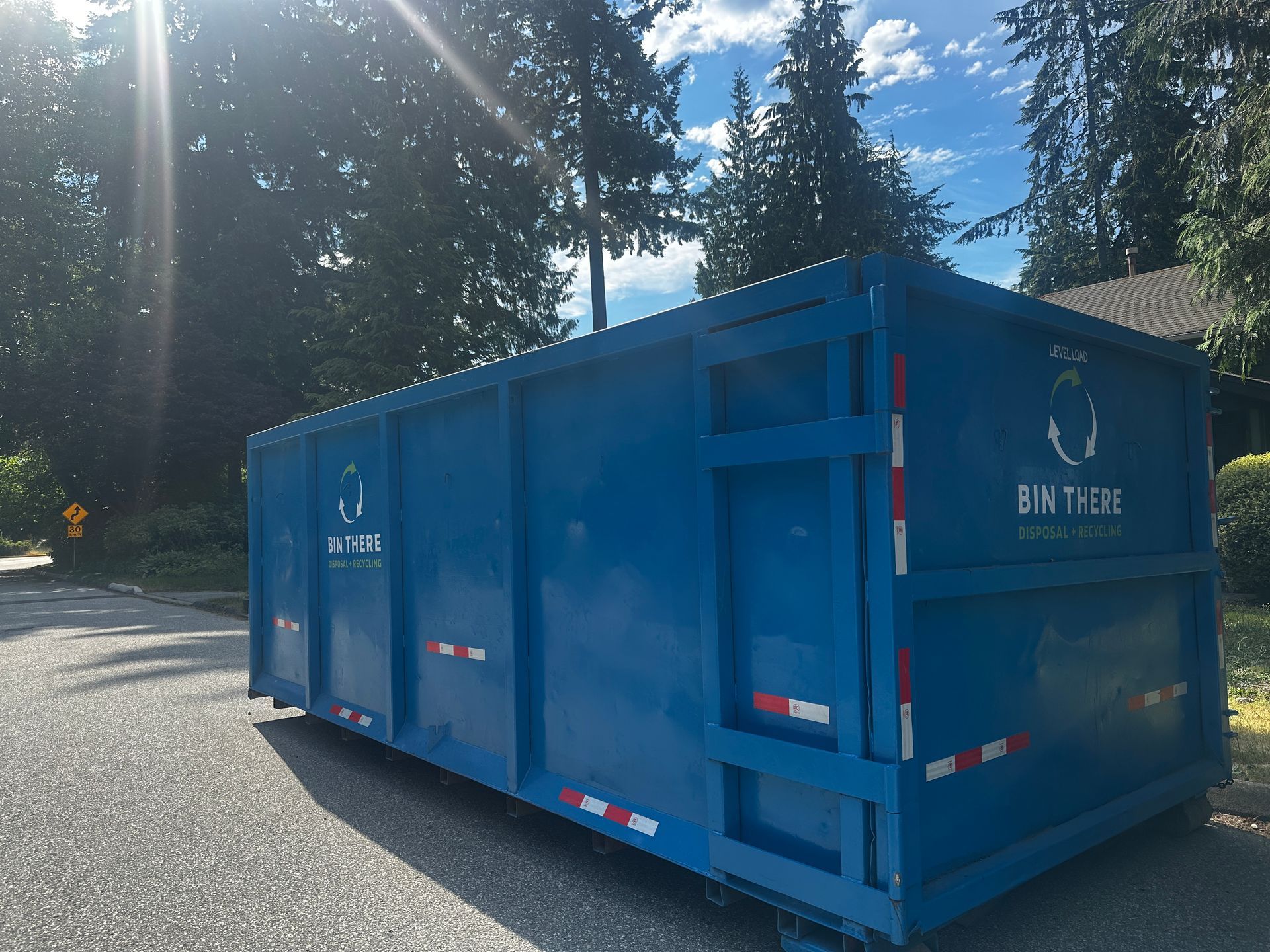
The opposite problem is just as common. A 30 yard bin ordered for a job that only produced 12 yards of debris means paying for capacity that never got used. This usually comes from sizing based on the biggest project someone has ever seen, rather than the specific scope of the current job.
Sign Four: Heavy Material Filled an Oversized Bin Too Quickly
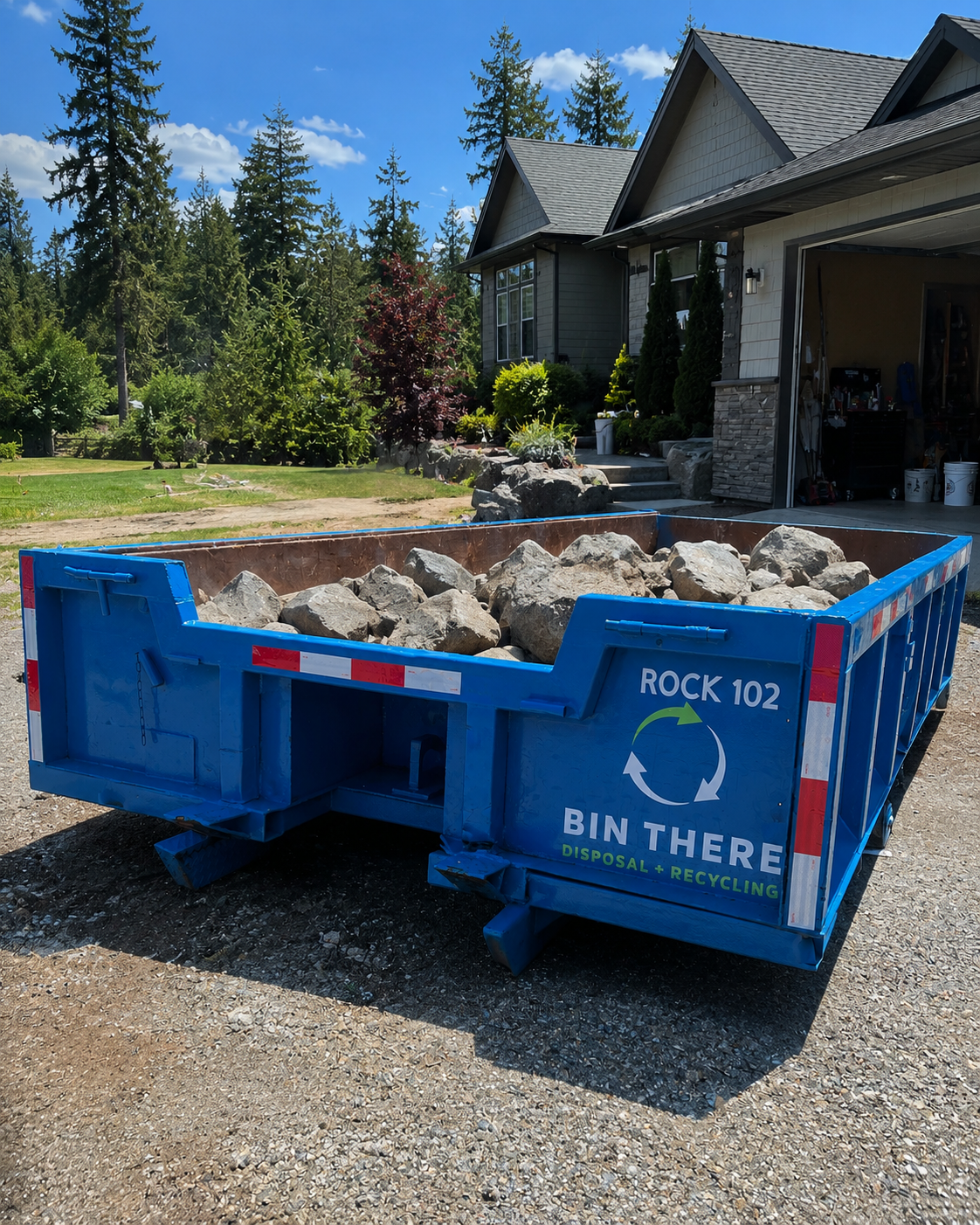
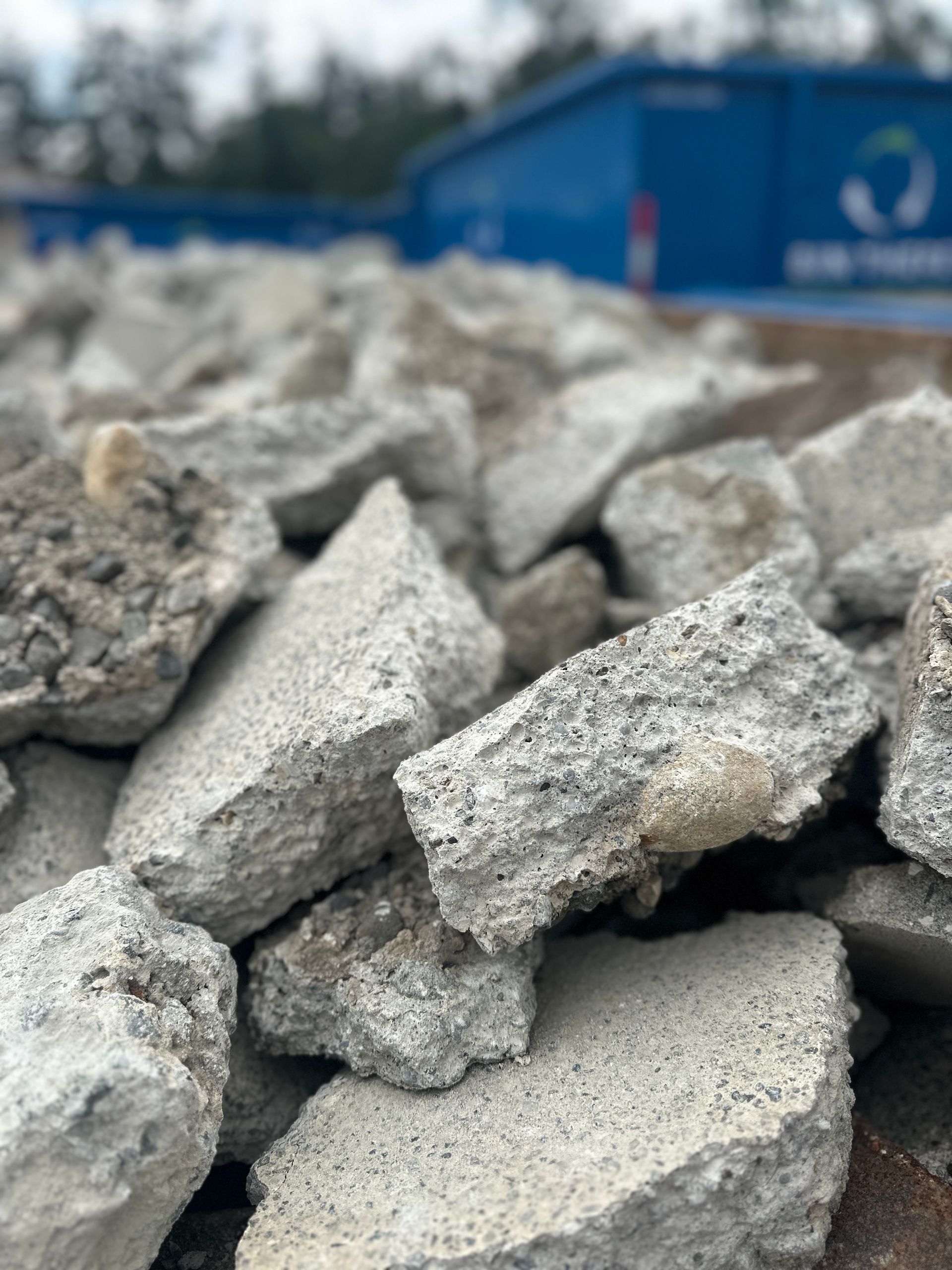
Weight matters as much as volume, especially with dense material like concrete, drywall, or roofing shingles. A large bin can hit its weight limit long before it looks full, which means a job with heavy debris often needs a smaller bin than the volume alone would suggest. Mixing light debris like drywall offcuts with heavy material like concrete in the same load is one of the most common sizing mistakes on a renovation site.
Sign Five: A Second Bin Had to Be Ordered Mid-Project
Needing a second delivery partway through a job is the clearest sign the original order missed the mark. It adds scheduling delays and extra cost that a more accurate estimate up front would have avoided entirely.
How to Size Correctly Across the 10 to 40 Yard Range
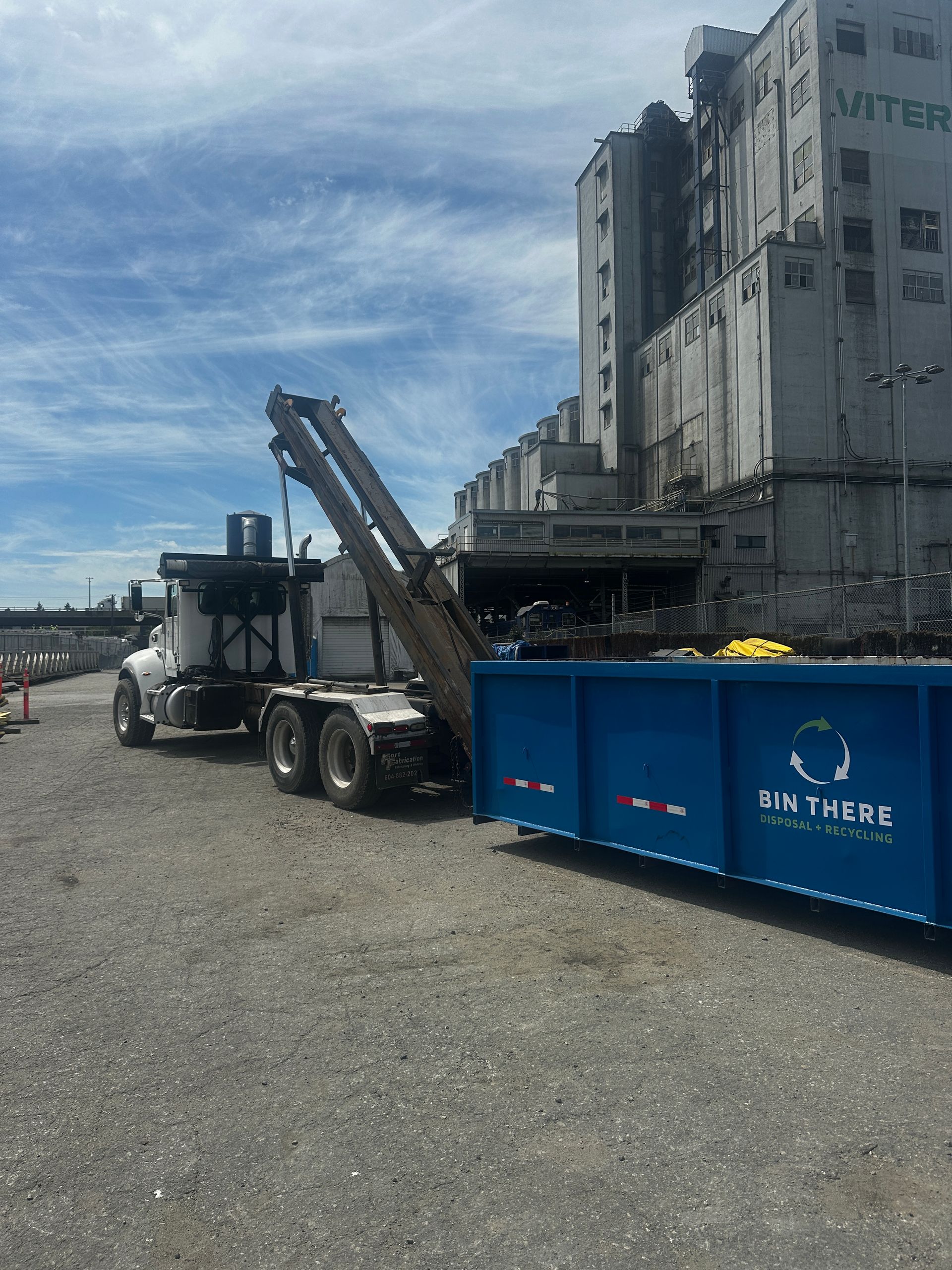
A 10 yard bin suits a small bathroom renovation or a single room cleanout. A 15 yard bin covers a kitchen renovation or a garage clear-out. A 20 yard bin handles a mid-size home renovation or a full roofing tear-off on an average house. A 30 yard bin fits a larger renovation, a commercial cleanout, or framing waste from new construction. A 40 yard bin is built for major demolition work or large commercial and strata projects generating high volumes of mixed debris.
The most reliable way to size a bin is to separate material type from material volume before ordering. Heavy, dense debris calls for a smaller bin than the same looking pile of lighter material would need, and describing both the type and rough quantity of debris when booking makes it far easier to land on the right size the first time.
Getting the Size Right the First Time
A bin sized to the actual scope of the job keeps a project moving without paying for unused space or scrambling for a second delivery. Talk to Bin There Disposal Services about the scope of the job before booking, and get a bin sized to match the work instead of a guess.